Themes & Symbols

ORCHID THEMES SYMBOLS*

Orchids

Picture

The Bottom Line:  If you want “Orchids” or law abiding, healthy citizens — that actually requires a lot of care and maintenance  —

BUT it is SO WORTH IT & Morally Superior to What We Are Doing — Using Jails & Prisons as a Shadow Health Care System for People with Mental Illness, Traumatic Brain Injury, Etc.

AND Yes in many cases it will be less expensive, but not all — AND we should still provide the care and maintenance people need to bloom.
Blurred Lines

Picture

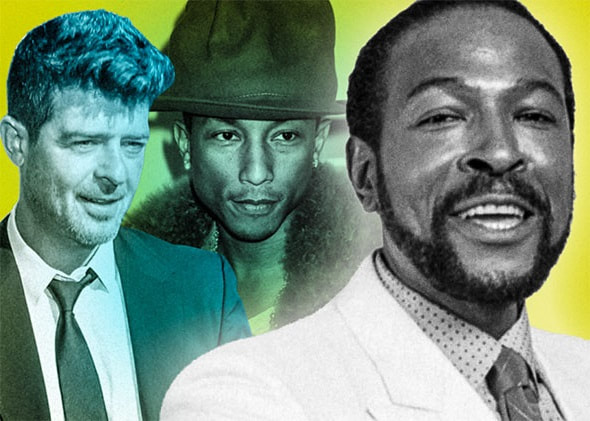
​ “Blurred Lines” — This Symbol actually relates to @ least 2 primary relationships:

  • The new Scientific understandings that are coming with a blurring of the distinctions between some disorders.  Some understandings include common genes among ADHD, Autism, Depression, Schizophrenia, & Bipolar Disorder.
  • Additionally, there are beginning to be blurred lines between standard Medical Disciplines.  The typical medical professional for “mental illness” is a “Mental Health Professional” but we appear to be on the cusp of including Immunology & Gastroenterology as well given the links between Mental Health, the Immune System, and the Microbiome.
Mixed Bags

Picture

From our perspective, we are all mixed bags, meaning we are all a unique mix of strengths & weaknesses.

We need a society in which we can build on our strengths and figure out ways to compensate for our weaknesses.
Picture

Half Right
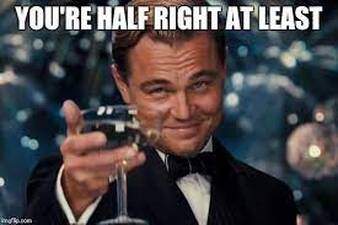
      “Half Right” is our euphemism for Imperfect Knowledge.
There are enormous gaps and imperfect knowledge in Mental Health Practice as with most human endeavors.
Two of the obvious ERRORS in mental health currently:

  • Many patients are dealing with DEVELOPMENTAL DIFFERENCES more than the profession realizes or is able to effectively address, and
  • The profession largely doesn’t appreciate the LARGE ROLE of the IMMUNE SYSTEM in Psychiatric and Brain Disorders.
Citizen Kane

“Citizen Kane” is also one of our Themes — Not the Person, the Attitude  —

​We Are DEMANDING Olmstead Housing & Services NOT as Somebody’s Gift  — BUT AS HUMAN & CIVIL RIGHTS

Bottom Line:

Colorado & most States are NOT in Compliance with Olmstead.

Music

Picture

Singer/Songwriter John Legend

We include a lot of music.  Most civil rights movements have a sound track — we play a  lot of diverse music and that in itself is a message.

Music is one of the most powerful means of translating emotion into sound.
Vietnam War

Picture

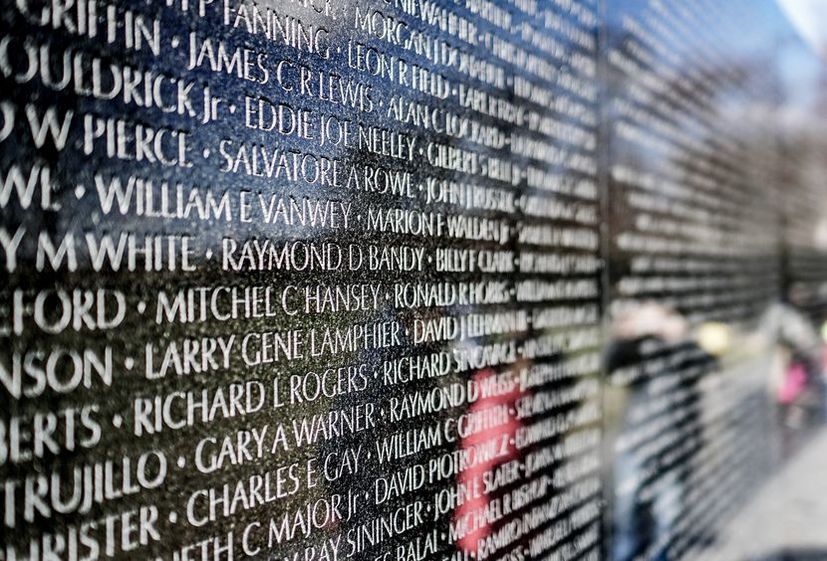
The Vietnam War is a symbol of a war/conflict/bad thing that:

  • Dragged on for a lot longer than it should have;
  • Disproportionately affected poor and minority Americans;
  • Led to their deaths and disability.

The big question is:

“How long is it going to take to solve the current mental health debacle for those who are in prisons, jails & homeless?”

Art:  e.g. Surreal Art

Picture

“Still Standing” by Swedish photographer Tommy Ingberg
​Surrealist art is a symbol for the absurdism of homelessness and incarceration of people with mental illness, traumatic brain injury, etc.
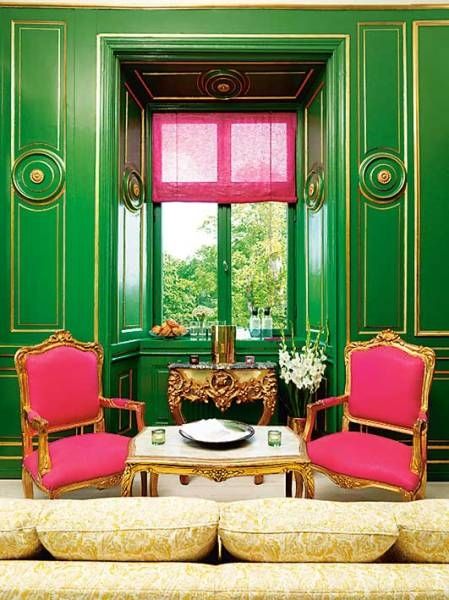
Interior Design???!

Picture

Probably the least obvious symbol is interior design.  It goes to one of our primary “Themes” the universal need for housing.
We play with “interior design” from opposite sides of the spectrum:

  1. Flat Out Irony — contrasting the concerns of the people doing the interior designing or commissioning it, with people with mental illness who are homeless or incarcerated;
  2. On the other hand, appreciating the desire that we all have to decorate our homes and that everyone should have an opportunity to do that.
Support

Picture

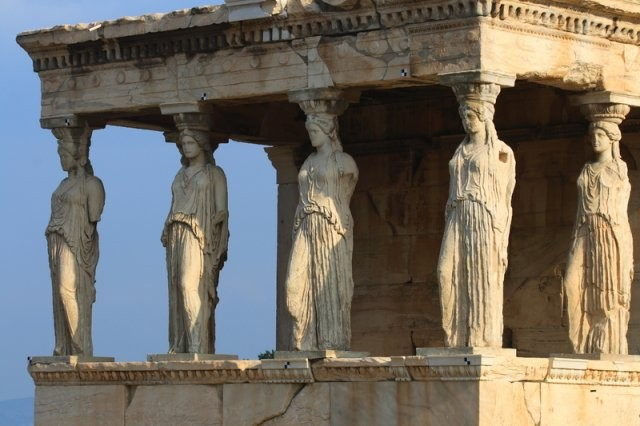
Erechtheion in the Acropolis in Athens

SUPPORT.   We are taking as our first illustrative symbol: THE GREEK COLUMN — a classic symbol of:

  • WESTERN CIVILIZATION,
  • MARVEL of ENGINEERING & BEAUTY
  • STRONG ENOUGH TO PROVIDE SHELTER TO FUTURE GENERATIONS ​

The support is not just needed for Individuals but for professionals and systems “supporting” individuals.

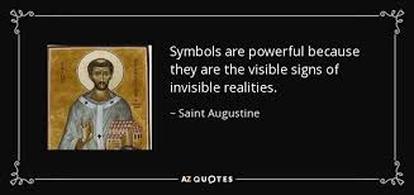
THE POWER OF THEMES AND SYMBOLS

Picture

*”In arttheme is usually about life, society or human nature, but can be any other subject. Themes are the fundamental and often universal ideas explored in a work.”  — Wikipedia

“In art, a symbol is usually a solid, recognizable thing—an animal, a plant, an object, etc.—that stands for something that would be hard to show in a picture or a sculpture. … A symbol can also stand for someone’s whole story.”  — Smithsonian Education

Picture

Picture